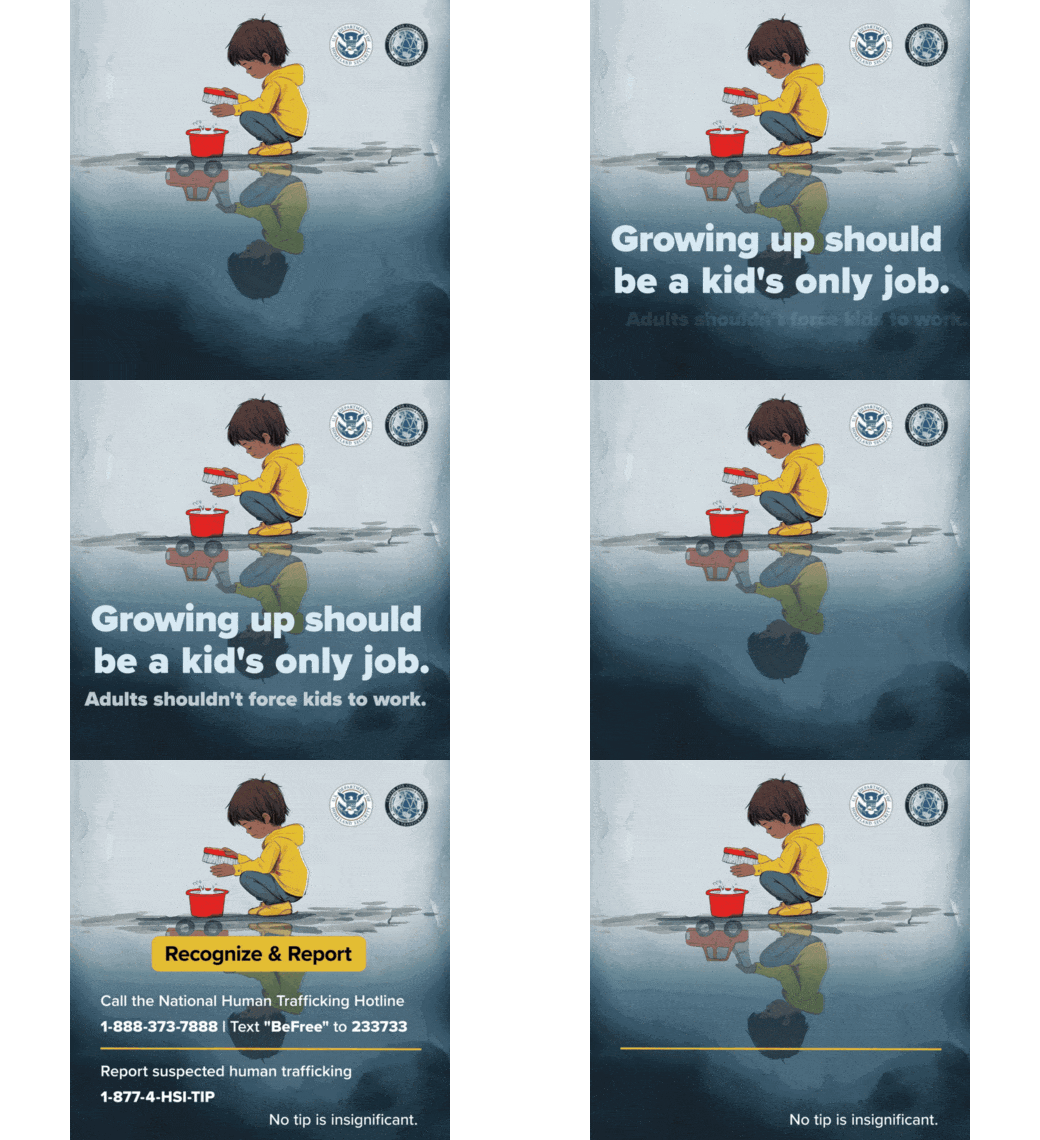
Blue Campaign provides education and resources to help the public recognize and report human trafficking. Yet public understanding of how trafficking actually occurs and how to identify its warning signs remains limited. Persistent myths and misconceptions shape how people think about trafficking, making it harder to understand the realities of exploitation and identify when someone may need help.
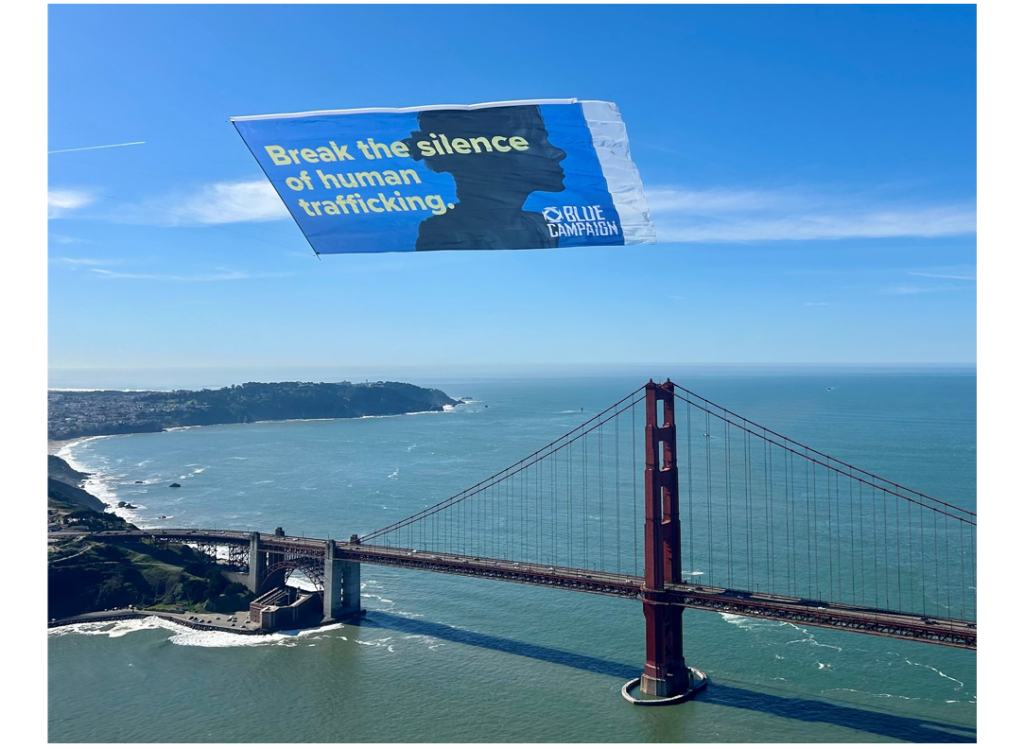
How do you make human trafficking awareness personally relevant when many people believe it could never happen where they live?
Human trafficking is often portrayed as something that happens only in extreme circumstances or far from everyday life. In reality, trafficking occurs in cities, suburbs, and small towns across the U.S. and often begins with someone a victim knows or trusts. Survivors cannot always walk away or ask for help, which makes the warning signs easy to overlook. The challenge was to correct these misconceptions and deliver trafficking awareness in ways that felt relevant and timely.
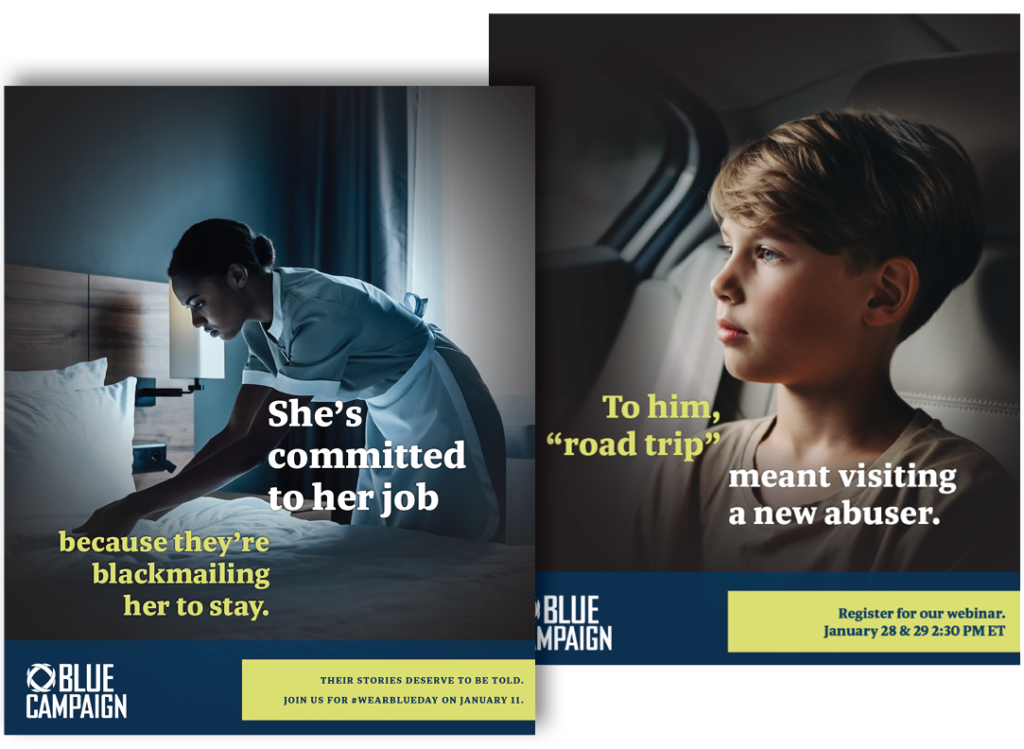
Blue Campaign’s strategy focused on reframing how people understand human trafficking by confronting common misconceptions and presenting realistic indicators of exploitation. In partnership with ICF Next, the campaign aligned prevention messaging with culturally relevant tentpole moments. Delivered through integrated paid media and social channels, the campaign connected trafficking awareness to the places and moments where audiences were most engaged.
We addressed common myths about human trafficking and reframed how the issue is understood. Creative highlighted realistic scenarios and behavioral indicators rather than stereotypes, helping audiences recognize that trafficking can occur in everyday environments and often involves someone a victim knows or trusts.
The campaign connected trafficking awareness to culturally relevant moments, leveraging trusted voices and recognizable messengers to engage new audiences and reinforce prevention messages. Paid media across digital, search, streaming, podcast, and social channels extended the campaign's reach and drove audiences to Blue Campaign resources at peak moments of public attention.
Social media was redesigned to be more human, relatable, and thumb-stopping. Updated creative emphasized authentic imagery, myth-busting content, and short-form video designed for social feeds, making trafficking indicators easier to understand and share. Real-world scenarios and educational posts helped translate awareness into practical knowledge that audiences could recognize and act on in everyday life.
Pairing misconception-breaking messaging with trusted voices, culturally relevant moments, and sustained digital engagement expanded awareness and made the signs of human trafficking easier to recognize and report.
The integrated paid media and social strategy expanded national awareness while helping audiences better understand the realities of human trafficking and recognize its warning signs.